






Description
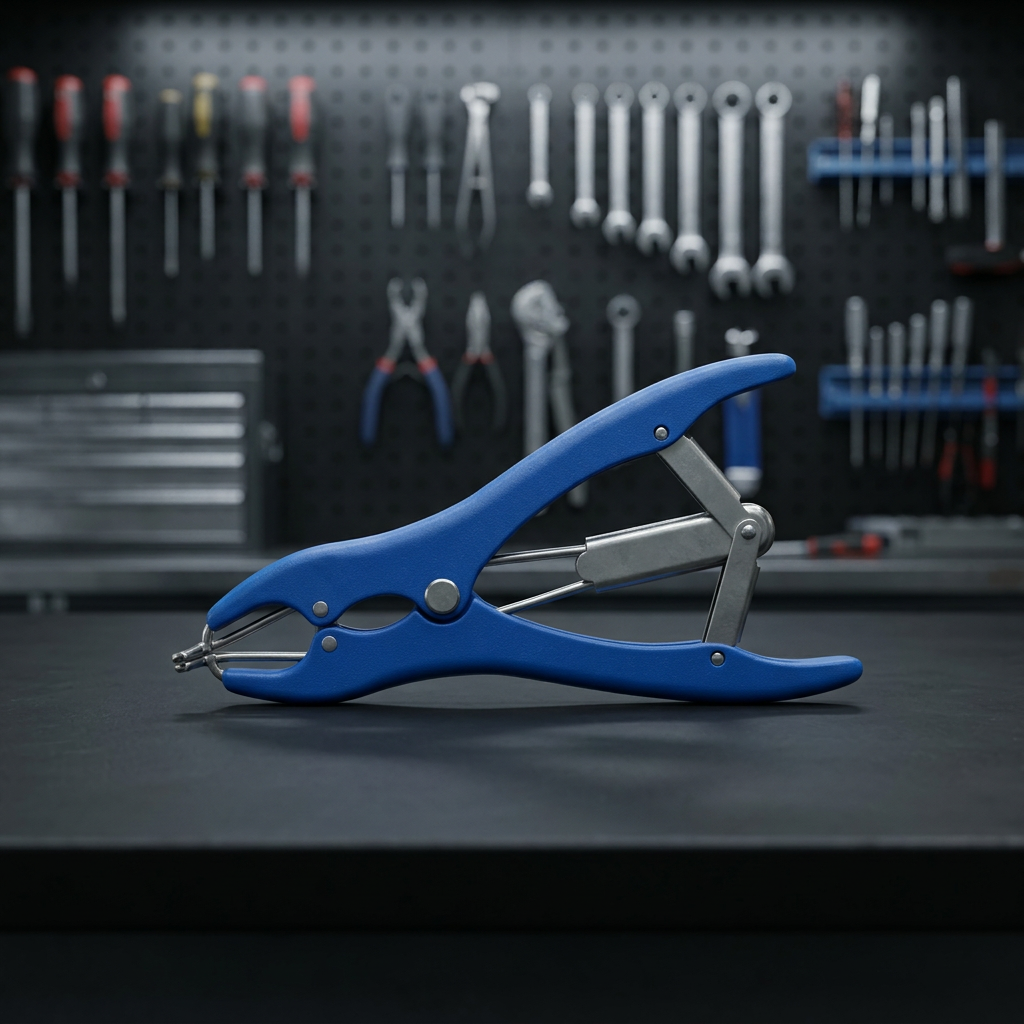
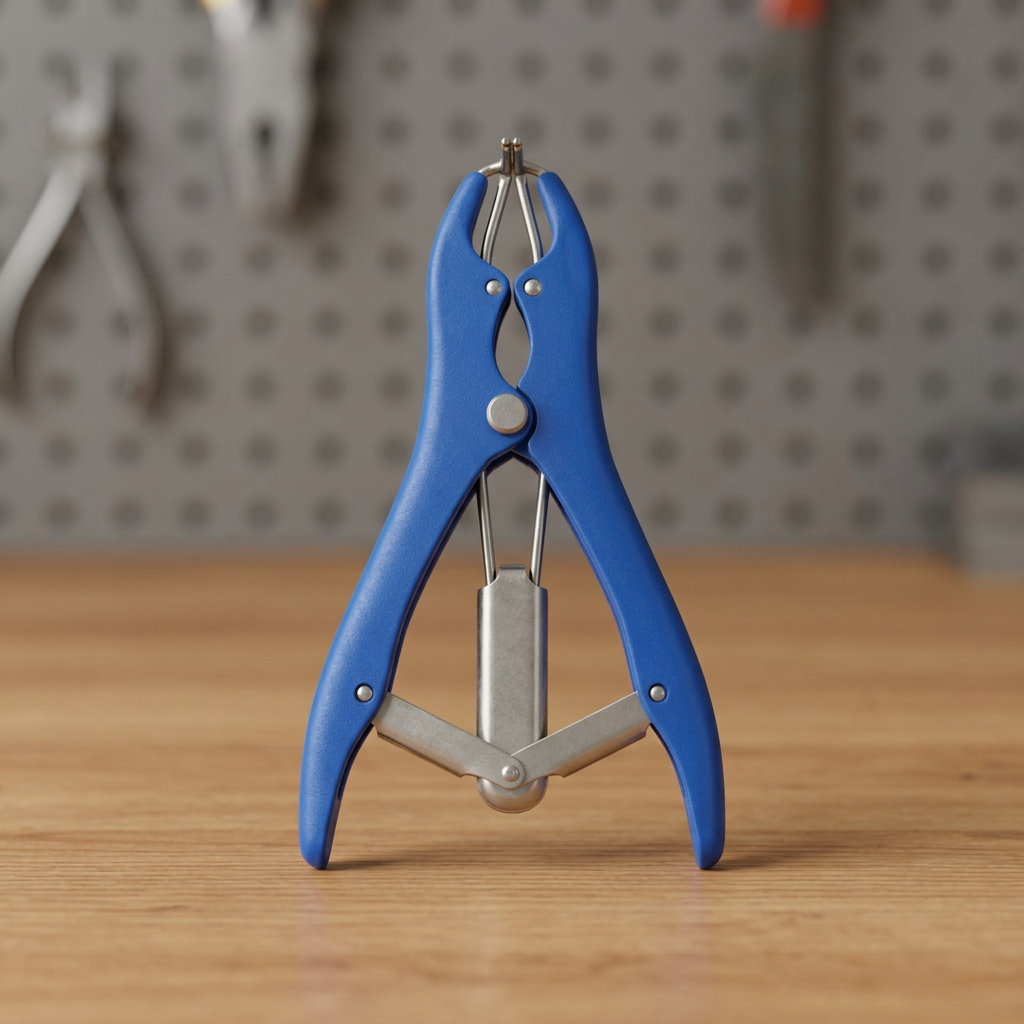
The sheep tail docking elastrator is a specialized veterinary tool designed for the quick, efficient, and bloodless docking of tails on lambs, kids, and other young livestock . The SAG Surgical tail docking bander applies a strong rubber elastrator ring around the tail, cutting off the blood supply so the tail atrophies and falls off naturally, typically within one to two weeks . This method is favored for its simplicity, low cost, and minimal training requirements .
Docking is the practice of shortening a lamb’s tail and is widely considered a best management practice for hygiene and health reasons . It helps prevent the buildup of manure on the tail, which can attract flies and lead to flystrike, a painful and potentially fatal condition . The procedure also helps keep the animal cleaner for shearing and slaughter .
This lamb tail bander is designed for use on young lambs, ideally within their first week of life, as the procedure is less stressful on the animals at that age . The tool is easy to use and can be operated one-handed . Some models feature durable, lightweight plastic handles with strong metal prongs for reliable performance . The high-quality rubber bands included with the elastrator tool are strong and stretchable, ensuring secure placement.
Sheep tail docking elastrators are used across various veterinary, farm, and ranch settings. This bloodless tail docking tool assists shepherds and livestock professionals in performing this common, welfare-focused procedure efficiently. The use of elastrator bands for both tail docking and castration is often referred to as “marking” in some regions .
Proper technique is essential for a successful procedure. Before banding, the tail area should be cleaned, and the band should be placed no shorter than the distal end of the caudal tail fold . Docking the tail too short can increase the risk of a prolapsed rectum . It is also important to ensure lambs are protected against tetanus, as the anaerobic environment created by the band provides a risk for the tetanus organism . Recent advances in animal welfare include the development of lidocaine-impregnated bands (LLBs) which deliver local anesthetic to the tissue, providing pain relief during the procedure .
Key Features of Sheep Tail Docking Elastrator
-
Bloodless tail docking method reduces infection risk and promotes faster recovery
-
Easy and efficient operation minimizes stress on the animal and labor time
-
Durable construction with strong metal prongs and comfortable handles ensures long-lasting performance
-
Compatible with standard elastrator bands for secure and effective docking
-
Humane and practical design ideal for lambs, kids, and other young livestock
-
Complete with applicator ready for immediate use
Technical Specifications
| Specification | Detail |
|---|---|
| Instrument Type | Sheep Tail Docking Elastrator |
| Material | Carbon Steel / High-Grade Plastic & Metal (varies by model) |
| Size | Approx. 8.26″L x 4.33″W / 21 x 11cm |
| Band Inner Diameter | Approx. 7mm / 0.275″ at rest |
| Application | Tail Docking & Castration of Lambs, Kids, Calves |
| Recommended Age | Lambs: 1-7 days old |
| Reusable | Yes |
Applications of Sheep Tail Docking Elastrator
Shepherds and livestock professionals use sheep tail docking elastrators for various applications including:
-
Docking tails of lambs to prevent flystrike (maggot infestation)
-
Improving hygiene and cleanliness of the animal
-
Facilitating shearing, crutching, and ensuring food safety
-
Humane and bloodless procedure when performed correctly
How to Use the Sheep Tail Docking Elastrator
-
Clean the tail with rubbing alcohol around the intended banding site .
-
Select the correct spot on the tail, which should be no shorter than the distal end of the caudal tail fold .
-
Load the band onto the elastrator prongs and position it around the tail at the chosen spot.
-
Release the band by squeezing the handles, allowing the band to roll securely onto the tail .
-
Monitor the lamb to ensure the band is correctly placed and not too tight to cause distress.
Important Guidelines
-
Age: The recommended age for banding lambs is 1 to 7 days old .
-
Tetanus: Ensure lambs are protected against tetanus, as the anaerobic environment around the band poses a risk .
-
Tail Length: Do not dock the tail too short. The stub should cover the vulva in ewes to prevent prolapse .
-
Animal Welfare: The procedure is painful, and various methods can be used to manage pain, including local anesthetics or lidocaine-impregnated bands .
Quality Assurance
Every sheep tail docking elastrator at SAG Surgical undergoes rigorous quality testing to ensure reliable performance.
Quality tests for our tail docking bander include:
-
Material strength test for durability
-
Performance test for smooth application
-
Safety check for operational reliability
Package Includes
-
1 Piece Sheep Tail Docking Elastrator – Applicator
-
High-Quality Construction
-
Polybag Packing for Safe Delivery
Why Choose SAG Surgical?
-
Premium quality sheep tail docking elastrator
-
Affordable rates with bulk order discounts
-
30-day hassle-free return policy
-
Free shipping across the USA
-
Dedicated customer support team
Frequently Asked Questions
Q1: What is a sheep tail docking elastrator used for?
A: A sheep tail docking elastrator is a veterinary tool used for the bloodless removal of a lamb’s tail, a procedure known as docking, to improve hygiene and prevent flystrike .
Q2: What age should lambs be banded?
A: Lambs are typically banded within the first week of life, as the procedure is less stressful on them at that age .
Q3: What is the benefit of using an elastrator for tail docking?
A: An elastrator provides a bloodless method of docking, which reduces the risk of infection and offers a cost-effective, efficient, and humane option for livestock management .
Q4: Can this elastrator be used on other animals?
A: Yes, in addition to sheep, the tail docking elastrator is also suitable for use on goats, calves, pigs, and other young livestock .
Q5: How long does it take for the tail to fall off?
A: After the band is applied, the tail will cut off the blood supply, and the tail will atrophy and fall off naturally, typically within one to two weeks .


Reviews
There are no reviews yet.